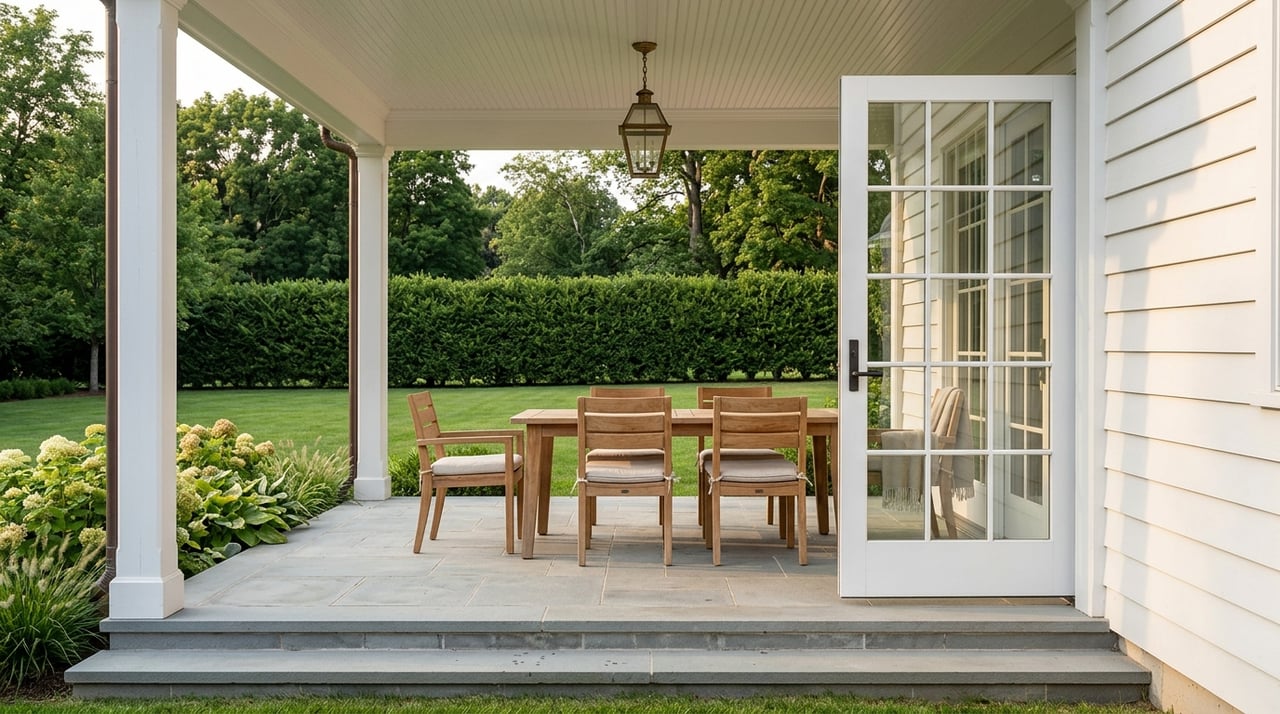
Village Convenience Or Country Estate? Choosing Millbrook Living
Are you drawn to the idea of walking to coffee, the library, and weekend events, or do you picture a long drive through fields to a private home with room to spread out? In Millbrook, that choice is not just about square footage. It is about how you want daily life to feel, how much land you want to manage, and where you want convenience or privacy to show up in your routine. If you are trying to decide between village living and a country estate, this guide will help you compare both paths with a clearer local lens. Let’s dive in.
One of the most important things to understand is that Millbrook is both a small incorporated village and a much larger surrounding rural area. According to the Village of Millbrook government, the village itself covers about 1.9 square miles, which helps explain why in-town living feels compact and connected.
At the same time, many homes with a Millbrook mailing address are actually located outside the village proper in the Town of Washington or Union Vale. The village FAQ makes that distinction clear, and it matters when you compare listings. A Millbrook address does not always mean a village setting.
That is why choosing Millbrook living is often less about one town versus another and more about where you want to land on the village-to-country spectrum. Some buyers want sidewalks, shops, and easier upkeep. Others want acreage, privacy, and a property that feels more like a retreat.
If convenience shapes your day, the village has a lot going for it. The Millbrook Business Association describes the village as a place of tree-lined streets, restaurants, boutiques, retail shops, art galleries, and antique stores. That gives the center of Millbrook a rhythm that feels social, walkable, and easy to enjoy.
Village life also brings community touchpoints into closer reach. You can find the Millbrook Farmers and Makers Market on Franklin Avenue, along with the library, tennis courts, and recurring local events. For many buyers, that means less planning and more spontaneous connection to everyday village life.
There is also a practical side to the appeal. Village-area homes often come with smaller lots and, in some cases, municipal water and sewer, as shown in village listings highlighted in the research. That setup can mean less exterior work and fewer property systems to oversee than you may find on a larger rural parcel.
The same features that make the village easy to live in also shape its limits. You are usually giving up land, distance from neighbors, and the sense of seclusion that many people associate with Millbrook’s countryside. If your ideal home includes broad lawns, separate outbuildings, or room for animals, the village may feel too compact.
That does not make village living a compromise. It simply means the value is different. You are choosing a home base that puts errands, events, and local amenities closer to you, while keeping property management more streamlined.
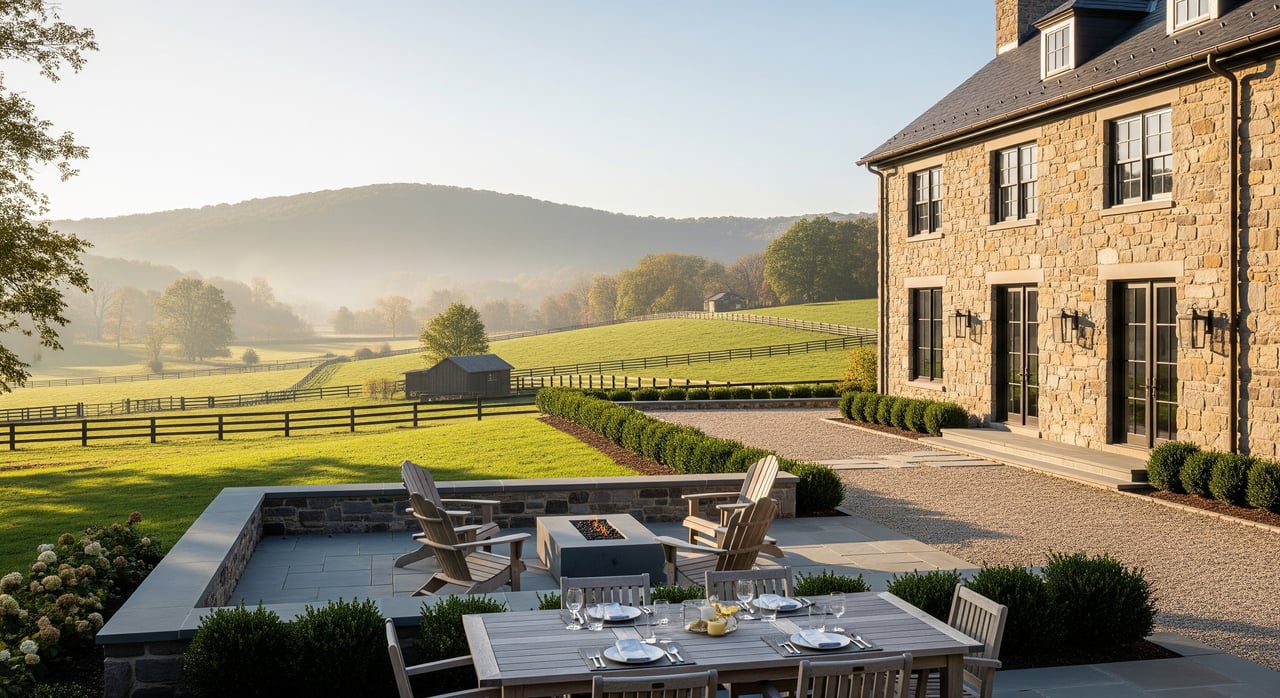
For many buyers, Millbrook’s strongest draw is the surrounding countryside. Current area listings in the research report show just how wide that range can be, from roughly 10 to 11 acres to 40 acres, 51.38 acres, 185 acres, and even far beyond at the top end of the market. That inventory reflects a very different version of Millbrook living.
Country properties often include more than a main house. Estate listings in the research report mention guest houses, caretaker cottages, barns, paddocks, pools, ponds, patios, and large entertaining spaces. One listing described a dining room sized for 30 guests, while another highlighted stables, paddocks, and private riding trails.
If you want privacy, room to host, or land that supports a particular lifestyle, that kind of property can be hard to replicate in the village. The broader Millbrook identity is also closely tied to horses, farms, wineries, recreation, and private clubs, as noted in the official local guide. For some buyers, the land itself is the priority.
A larger property usually brings more responsibility. Estate listings in the research report point to features such as septic systems, water purification, hardscaping, barns, pools, and extensive grounds. Those features can add beauty and utility, but they also mean more decisions, more upkeep, and more ongoing coordination.
That is often the central tradeoff. In exchange for privacy and usable land, you may spend more time managing landscaping, driveways, outbuildings, and systems. If you love the idea of stewardship and space, that can feel worthwhile. If you want a lower-lift routine, it may feel like too much house and land.
Millbrook is a small market, so pricing can vary widely depending on property type and location. The research report notes that village or village-edge homes can fall in the roughly $500,000 to $800,000 range, with examples such as Maple Avenue, Ciferri Drive, and Church Street properties.
On the other end of the spectrum, current inventory includes 10-plus-acre homes around $1.2 million to $3 million, a 40-acre property at $5.9 million, a 185-acre estate at $10.995 million, and the 2,078-acre Hitchcock Estate at $65 million. Those figures show that Millbrook is not one market. It is a layered market where lot size, setting, privacy, and improvements can dramatically shift pricing.
The broader Town of Washington market data in the research also reinforces that point. The rural ring around the village can pull pricing upward, especially when larger acreage and estate-quality properties dominate the available inventory.
The best choice usually comes down to how you want your days to work, not just what looks best in photos. A beautiful village house and a beautiful country estate can each be the right answer, depending on your priorities.
Here are a few helpful ways to think it through:
For some buyers, school boundaries shape home search decisions. In Millbrook, that may be less of a dividing line between village and estate options than you might expect. The Millbrook Central School District serves the village and surrounding towns including Washington, Clinton, Pleasant Valley, Unionvale, Stanford, and LaGrange.
That means the village-versus-estate decision is often more about setting, land, and lifestyle than district lines. If school access matters in your search, it is still wise to confirm a specific property directly, but many buyers will find that this decision is primarily about how they want to live day to day.
The smartest way to approach Millbrook is to avoid thinking in absolutes. You are not simply choosing between town and country. You are choosing where on a local spectrum you want your home to sit.
Some buyers want a village-edge property that offers a little breathing room without losing easy access to the center. Others want a true estate setting with acreage, privacy, and room for a long-term vision. Both are part of Millbrook, and both can be a strong fit when the property matches the life you want to build.
If you are weighing village convenience against country scale, local context matters. With decades of experience across village residences, historic homes, estates, and acreage, Paula Redmond can help you evaluate not just what is available, but what truly fits the way you want to live.
Stay up to date on the latest real estate trends.
Real Estate
Transform Your Home's First Impression with Simple Weekend Projects
Get assistance in determining current property value, crafting a competitive offer, and work with a professional that can get the job done. Contact me today.
Paula Redmond
3297 Franklin Avenue Millbrook NY 12545