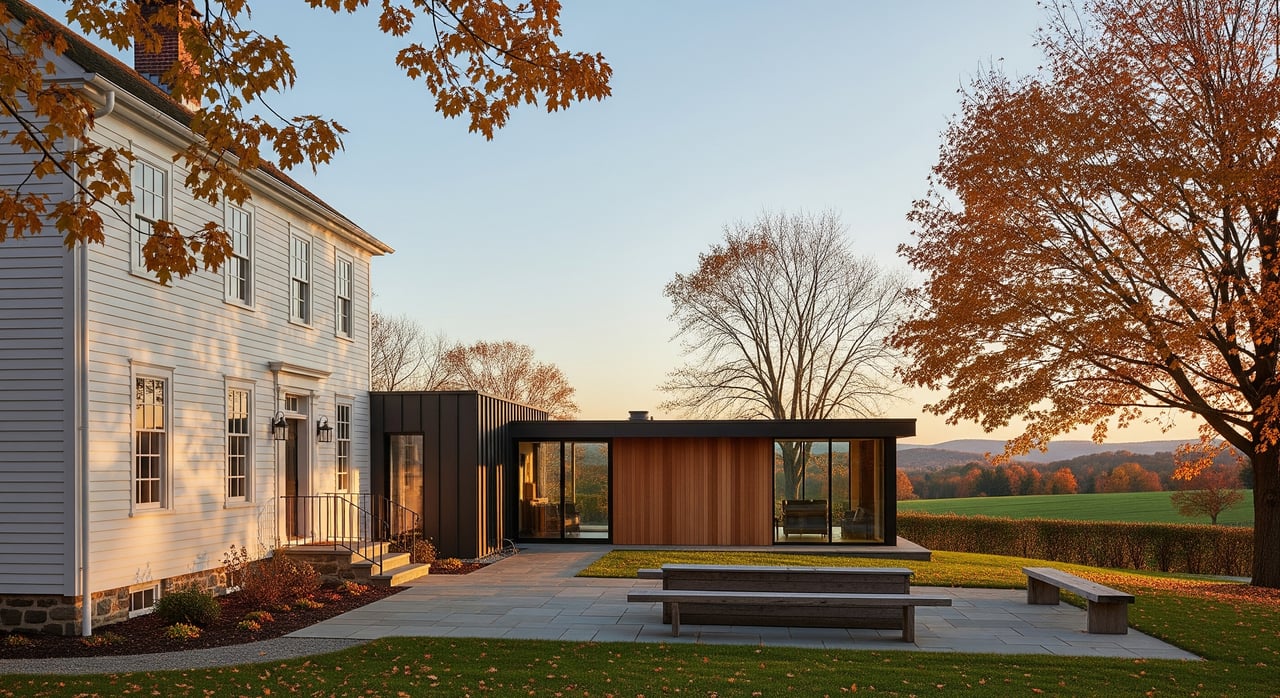
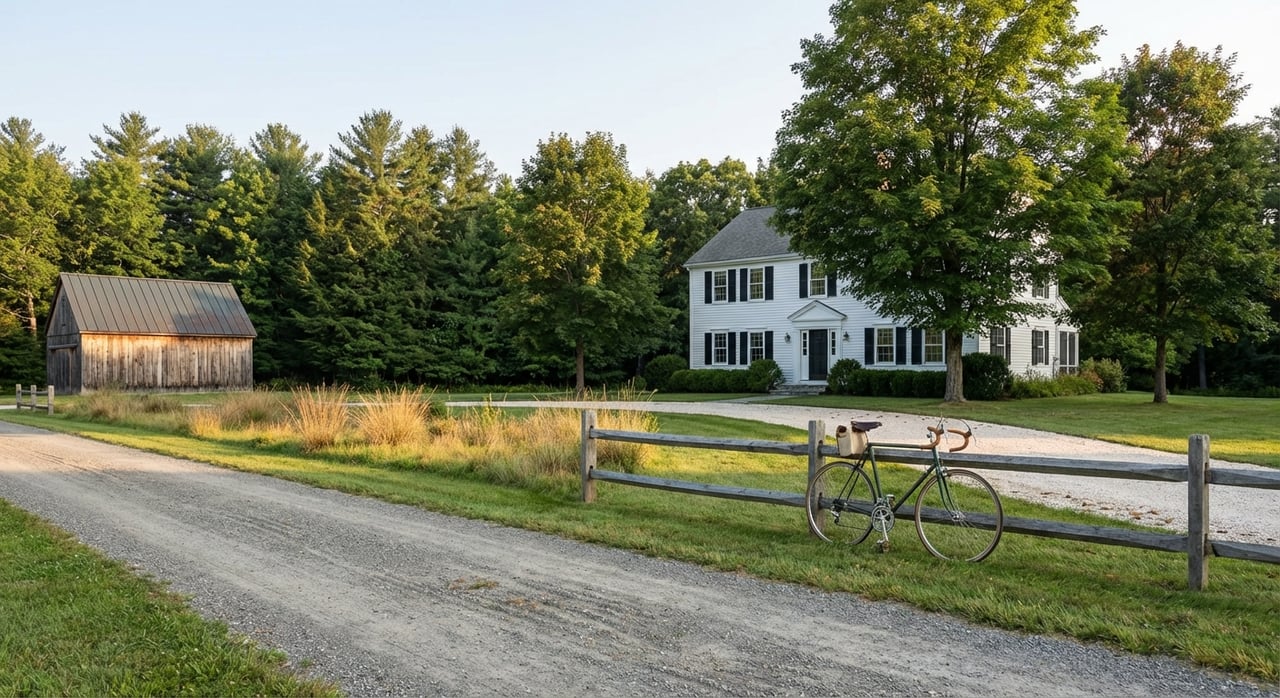
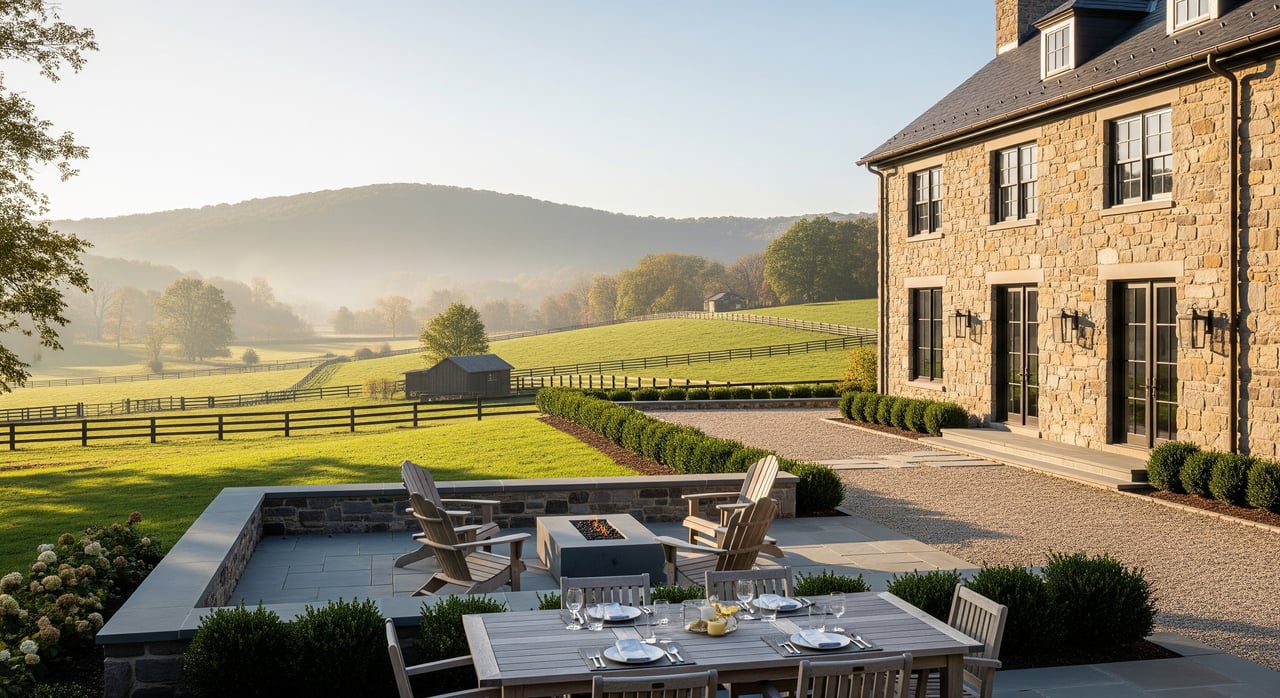
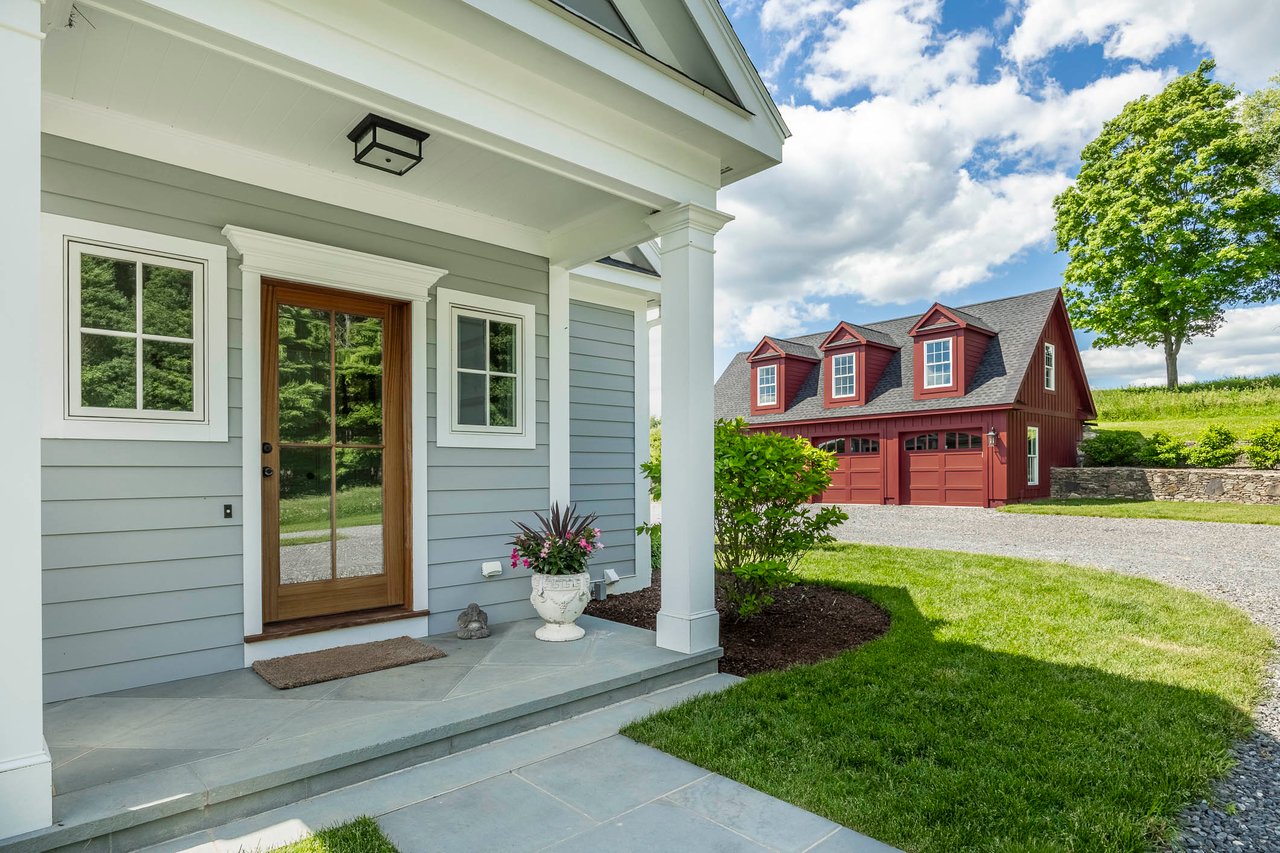
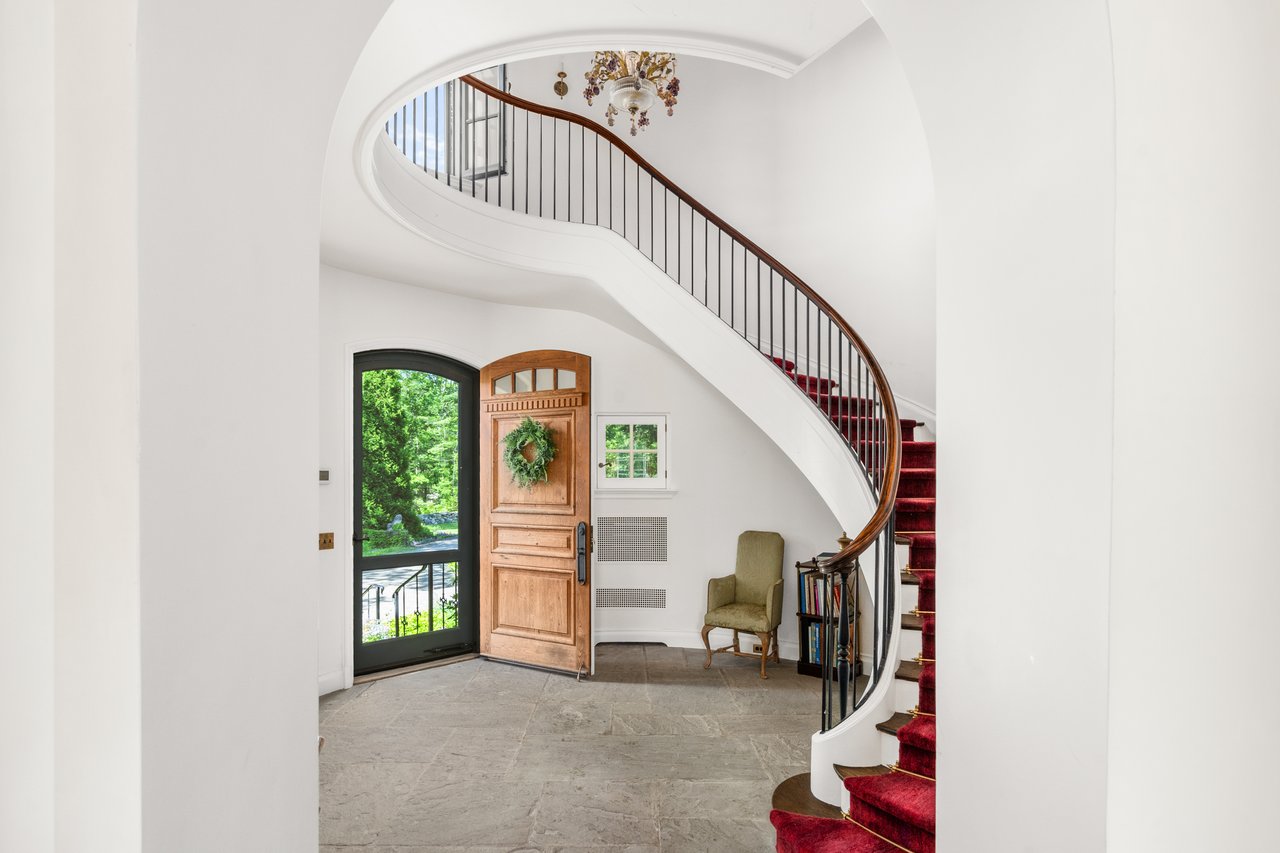
You can modernize a historic Hudson Valley home without losing the very details that make it special. If you own or hope to buy in Pine Plains or Stanford, you likely care about original woodwork, old-growth floors, and stone walls as much as comfort and efficiency. This guide shows you how to upgrade with respect, from permits to heat pumps, insulation, and landscape choices that honor local character. Let’s dive in.
Know the rules before you start
Thoughtful planning protects both your home and your budget. Start by reviewing the Secretary of the Interior’s Standards for Rehabilitation, which set the gold standard for respectful work on historic properties. You can find them on the National Park Service site under the Standards for Rehabilitation.
If you think your home may be listed or in a historic district, check with the New York State Office of Parks, Recreation and Historic Preservation for National Register status and guidance. The state office is a helpful first call, and you can find contacts at the OPRHP State Historic Preservation Office.
Next, contact the Town of Pine Plains or Town of Stanford building department to confirm permits, design review, and any local preservation rules. If you need help finding the right office, Dutchess County can point you to local contacts. Start at the Dutchess County government site for department directories.
What usually needs approval
- Exterior changes such as roof materials, window replacement, siding, and porches
- Structural, electrical, and plumbing work that requires a building permit
- Any work that uses state or federal funds, or plans to claim historic tax credits
Mechanical upgrades with a light touch
Smart systems upgrades improve comfort and safety while keeping historic fabric intact. A preservation-minded contractor will route lines and equipment in secondary spaces so your main rooms stay undisturbed.
Heating and cooling that fit older homes
- Air-source heat pumps and mini-splits are efficient, quiet, and often installed with minimal openings in walls. They are a popular choice across New York, supported by programs from NYSERDA.
- If you need ductwork, consider small-diameter or high-velocity systems placed in attics, basements, or closets to avoid altering trim and plaster in primary rooms.
- If you have working radiators, you can often modernize the boiler and keep the radiators, preserving a visible historic feature.
- Geothermal can be very efficient but requires larger site disturbance and higher upfront cost, which may not suit every property.
For more background on efficiency and retrofit strategies, explore the U.S. Department of Energy’s homeowner resources at Energy Saver.
Electrical, plumbing, and fuel systems
- Rewiring older homes removes knob-and-tube or cloth-insulated wiring that may present a safety risk and can affect insurance. Plan runs through basements, attics, and baseboards to reduce wall cuts.
- Upgrade service panels and add dedicated circuits for modern appliances while choosing fixtures that complement the home’s era.
- Replace failing galvanized or cast-iron plumbing. Address underground or old oil tanks with proper inspections and compliant removal if needed.
- Place mechanical equipment in secondary spaces, such as basements or utility rooms, to protect principal rooms.
The right team matters
- A preservation architect or consultant can help map systems that avoid character loss.
- Choose HVAC, electrical, and plumbing contractors with old-house experience.
- Schedule an energy audit, ideally with blower-door testing, to target the best sequence of upgrades.
Insulation, windows, and roofs
The building shell is where you gain comfort and energy savings with minimal visual change if you pick the right methods.
Insulation that manages moisture
- Start in the attic. Air-seal penetrations, then add insulation while maintaining ventilation paths. Attic work delivers strong value for most homes.
- For walls, confirm construction type before insulating. Dense-pack cellulose can work well in framed cavities. Solid masonry needs special care to avoid trapped moisture, so consult a specialist before adding interior insulation.
- Insulate floors over basements or crawlspaces once moisture is managed.
The National Park Service’s Preservation Briefs offer practical, case-specific guidance on insulation, masonry, and energy retrofits. Review the Preservation Briefs index for topics relevant to your home.
Windows: repair first, replace last
- Original sash often perform well when repaired, weatherstripped, and properly maintained.
- Interior or low-profile exterior storm windows can boost efficiency while preserving historic sightlines.
- If replacement is unavoidable, match profiles, muntin patterns, proportions, and operation. Full-frame replacement should be a last resort for character-defining windows.
Roofs and drainage
- Preserve rooflines, cornices, dormers, and eaves. Match historic materials where feasible on visible slopes. Asphalt shingles may be acceptable on less-visible areas if budget or codes limit other options.
- Maintain gutters and downspouts to protect foundations and siding. Good drainage prevents costly repairs.
Protect the setting and views
In Pine Plains and Stanford, stone walls, tree lines, and approach views are part of a home’s story. Small landscape choices can enhance curb appeal while honoring that history.
- Repair stone walls and historic drive alignments in place when possible.
- Retain mature trees where safe and protect roots during site work.
- Use materials like bluestone, brick, or gravel for walks and terraces that fit the region.
- Consider permeable paving to reduce runoff and visual impact.
- Conceal new utilities and condensers at the side or rear and screen with compatible plantings.
- Choose shielded exterior lighting with a period-appropriate look.
Sequence your project for best results
A clear order of work keeps costs down and protects existing fabric.
- Safety and moisture first. Address leaks, drainage, lead-safe practices, and electrical hazards.
- Mechanical systems. Update HVAC, electrical, and plumbing with routes that avoid primary rooms.
- Air sealing and insulation. Start in the attic, then consider walls and floors.
- Windows, roof, and exterior repair. Repair rather than replace when possible.
- Site and landscape. Restore stone walls and walks, and screen new equipment.
Costs, incentives, and due diligence
Historic-appropriate repairs often compare well to replacements when you consider longevity and resale appeal. Buyers value original fabric plus modern function, so sellers should document sympathetic work.
- Lead paint is common in homes built before 1978. Any renovation that disturbs painted surfaces must follow the EPA’s lead-safe rules. Learn more at the EPA RRP program.
- Asbestos may be present in older insulation, floor tiles, or pipe wrap. Use qualified testing and abatement if needed.
- Underground or old oil tanks can carry environmental liability. Include tank screening in your inspections.
- For energy incentives, New York offers programs for heat pumps and whole-home upgrades through NYSERDA. Eligibility and amounts change, so confirm current offerings.
- If part of your property is income producing, discuss potential federal historic tax credits with your advisors and review the NPS tax incentives overview.
Local action steps for Pine Plains and Stanford
- Confirm designation status. Contact the State Historic Preservation Office and your town clerk or building department.
- Schedule inspections and an energy assessment. Consider a blower-door test to target improvements.
- Consult a preservation architect or experienced contractor before ordering materials or making visible changes.
- Verify permits and any local historic review. Start the process early to avoid delays; use the Dutchess County government site for contacts if needed.
- Use certified pros for lead, asbestos, and oil tank work, and keep records of all upgrades.
Ready to align comfort, efficiency, and character in your Pine Plains or Stanford home? If you are considering a purchase or preparing a legacy property for market, connect with a local advisor who values stewardship and understands how thoughtful upgrades affect value. Reach out to Paula Redmond for discreet guidance or to request a confidential valuation.
FAQs
What are respectful upgrades for a Pine Plains or Stanford farmhouse?
- Focus on reversible, low-visibility improvements like attic air sealing, mini-split heat pumps, storm windows, and concealed wiring routes that preserve trim and plaster.
Do I need approval to replace windows on a historic home?
- You may if your home is listed or in a local district; check with the State Historic Preservation Office and your town building department before ordering replacements.
Are there New York incentives for efficient heating in older homes?
- Yes, programs often support heat pumps and whole-home energy work; confirm current offerings and eligibility with NYSERDA.
Will insulation trap moisture in my old walls?
- It depends on wall type; attic insulation is usually low risk, but solid masonry needs expert detailing, so get guidance before insulating interior masonry surfaces.
What health or safety issues should I budget for in a pre-1978 house?
- Plan for lead-safe practices, possible asbestos testing, electrical upgrades, and oil tank investigation; see the EPA RRP program for lead rules.