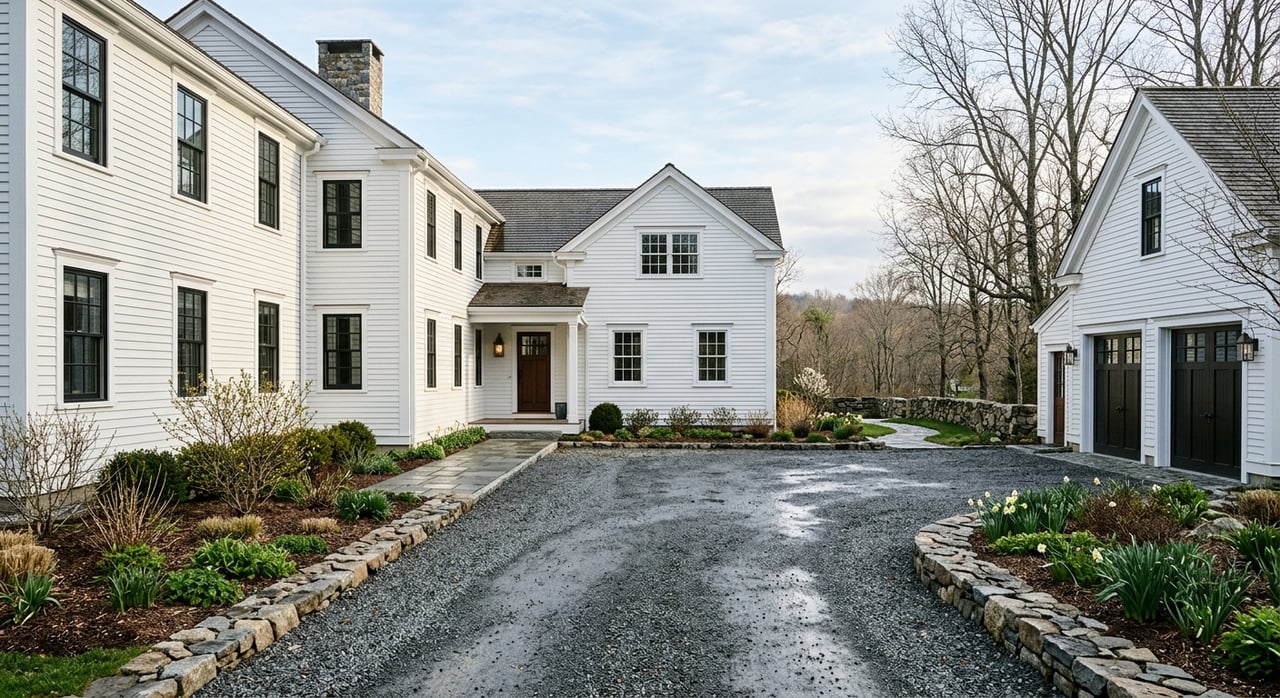
What Life In Pine Plains And Stanford Looks Like All Year
If you are considering a move to Pine Plains or Stanford, or preparing to sell there, one question matters more than almost any other: what does daily life actually feel like in every season? In rural Dutchess County, the answer changes in meaningful ways from summer to winter, and that rhythm shapes how you experience a home, the land around it, and the towns themselves. Understanding that cycle can help you decide whether these communities fit your lifestyle and what to look for when buying or selling. Let’s dive in.
Pine Plains and Stanford share a rural character, but they are not identical. Pine Plains presents itself as a small country town in a valley bounded by mountains, with a long agricultural history and three small lakes west of the hamlet: Stissing Lake, Thompson Pond, and Twin Island Lake. That geography gives the town a clear sense of place and a landscape that is easy to picture year-round.
Stanford is also rural, but its scale and land pattern feel broader. The town describes itself as home to about 3,675 residents and includes farms, forests, meadows, single-family homes, and fifteen small historic hamlets. Upton Lake and Hunns Lake are identified as its largest bodies of water, and the overall setting is shaped as much by open land and hamlet life as by any single center.
For you as a buyer or seller, that distinction matters. Pine Plains often reads as more centered on its hamlet, lakes, and nearby trails, while Stanford can feel more spread across farms, hamlets, and country roads. Both offer a quieter Hudson Valley lifestyle, but each reveals itself a little differently over the course of the year.
Summer is when both towns feel most outward-facing. In Pine Plains, recreation is easy to spot in daily life, with Pine Plains Beach at Stissing Lake Park, trails at Stissing Mountain and Thompson Pond, Audubon Buttercup Sanctuary, and the Stissing Spring Bike Route all playing a visible role. The town also notes a Pine Plains Summer Camp, which adds to the sense of seasonal activity.
Stanford’s summer pattern is similarly tied to open space. The town highlights trails and outdoor access at Buttercup Sanctuary, the Stissing Mountain Multiple Use Area, and Wilcox Memorial Park. In practical terms, summer is when the natural setting is easiest to use day to day rather than simply admire from a distance.
If you are house hunting, summer shows you how a property lives outdoors. You can better assess porches, outbuildings, fields, lake proximity, and how connected a home feels to nearby recreation. If you are selling, this is often the season when landscape, long views, and the appeal of country living are easiest to present.
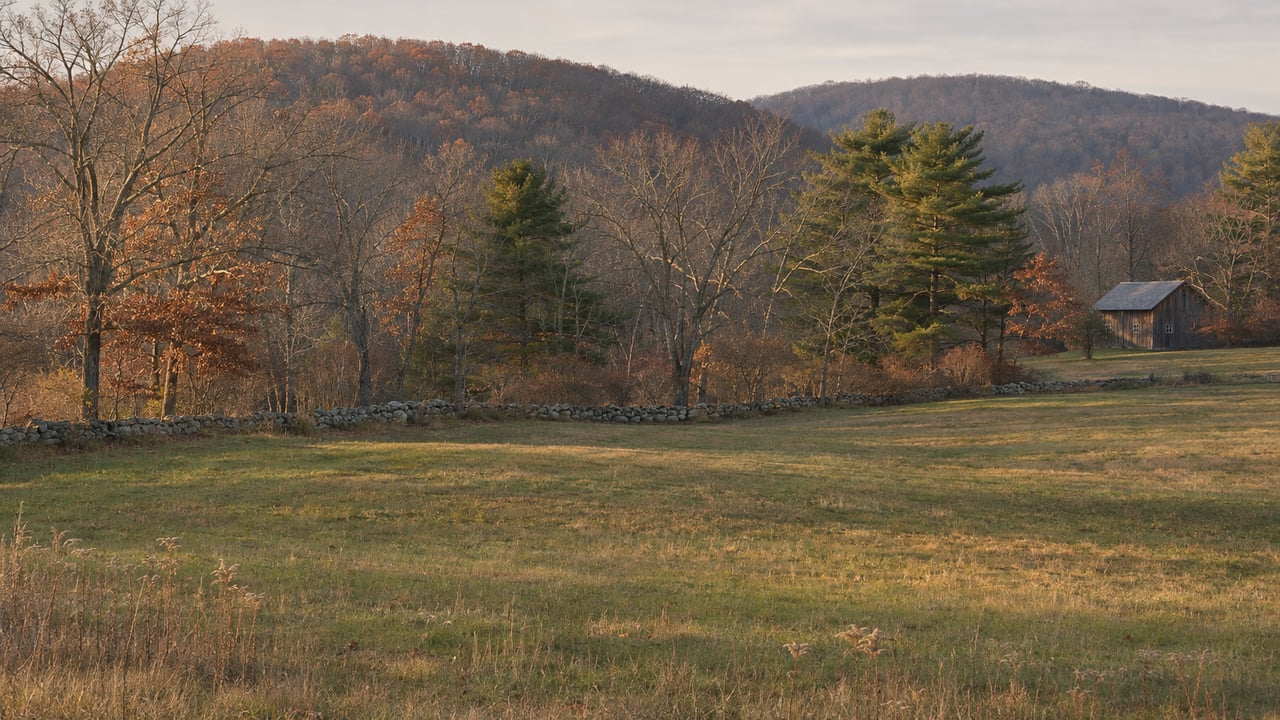
Autumn tends to bring the working landscape into sharper focus. Pine Plains’ planning documents describe the town as rural, agricultural, and scenic, and the town’s history emphasizes that agriculture has shaped the local economy from the beginning. In fall, that identity is especially visible in fields, roadside views, and the pace of local life.
Stanford shares that seasonal pattern. Its current town site references a revised Right to Farm Law and an annual flea market among town news items, which points to a community where agricultural life and local gatherings remain part of the annual rhythm. For many people, this is the season when the countryside feels most expressive.
If you are comparing the two towns, fall often helps clarify lifestyle fit. Pine Plains may feel especially appealing if you want a strong rural frame with a historic hamlet core and nearby lake-and-trail access. Stanford may suit you if you want a broader mix of farms, hamlets, estates, and small everyday services close to home.
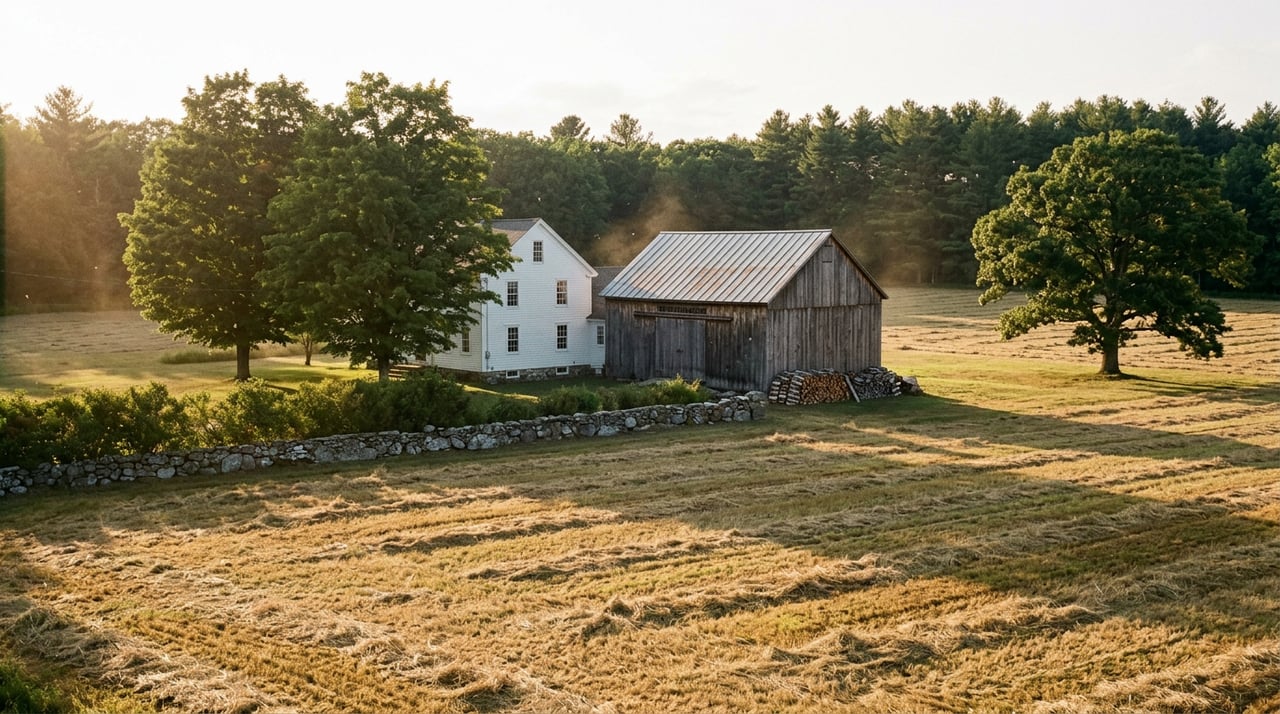
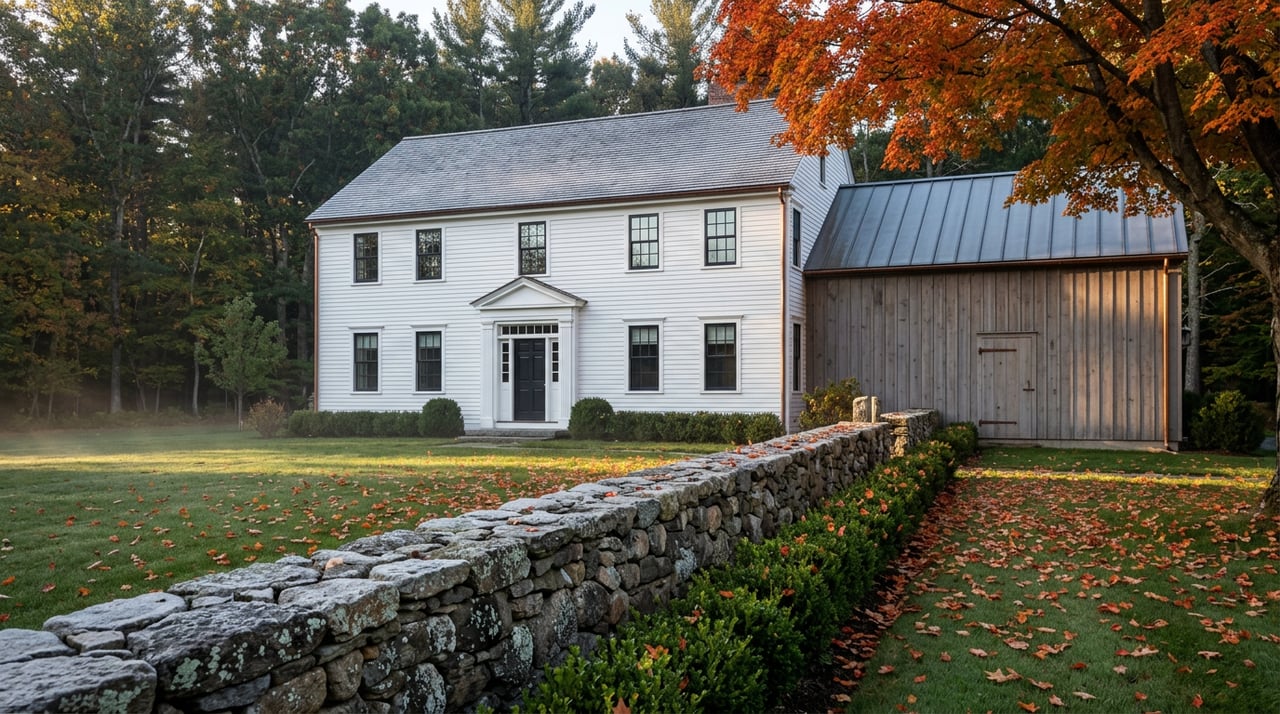
Fall is a strong season for showing land and setting. Open-field views, mature trees, barns, and long approach drives often read clearly at this time of year, and buyers can better understand how a property fits into the wider landscape. For country homes and acreage, that context can be just as important as the house itself.
Winter life in both towns is typically quieter and more home-centered. Stanford’s town site regularly includes winter storm reminders, travel bans, and de-icing updates, which makes it clear that road conditions and access are part of ordinary winter awareness. That does not make winter difficult by default, but it does mean buyers should pay attention to practical details that matter more in rural settings.
In Pine Plains, the housing pattern also shapes winter impressions. The town’s housing profile shows a large share of detached single-family homes, many older homes, and a meaningful seasonal-vacancy component. Combined with the rural layout, that can make winter feel especially subdued outside the hamlet core.
For you as a buyer, winter is often the most honest season. You can see how a driveway sits, how exposed or sheltered a property feels, and how close or far daily errands really are. For sellers, winter also highlights the importance of presenting warmth, upkeep, and ease of access.
Spring is one of the best seasons for evaluating how a property functions. Stanford’s annual roadside clean-up and recurring civic calendar reflect the season’s return to outdoor upkeep and community scheduling. Pine Plains also keeps visible town meetings, recreation resources, a community center, and library activity in front of residents, which adds to the sense of reactivation after winter.
For buyers, spring can be especially useful because the land is beginning to show itself again. You can better judge drainage, yard usability, road access, and how a home sits within the surrounding field-and-trail network. It is a practical season, not just a pretty one.
For sellers, spring can be the moment when a property feels newly legible. Buyers can start to understand the shape of the land, the condition of outbuildings, and how the house meets the outdoors. In a market where acreage and siting matter, that first impression carries real weight.
One of the clearest things both towns share is a visible civic rhythm. Pine Plains maintains a regular Town Hall pattern, monthly Town Board scheduling, a community center, a library, and a recreation department. Stanford also runs on recurring meetings and committees, while its business directory points to a market, coffee shop, farm and flower businesses, coworking, veterinary care, and other small-scale services.
For you, that means daily life is less about a large commercial corridor and more about a short list of familiar places and routines. In both towns, local government, recreation, and small businesses play an outsized role in how the week feels. That is often part of the appeal for buyers who want a more grounded pace of life.
This can also matter when marketing a property. Buyers drawn to Pine Plains or Stanford are often responding to more than square footage. They are trying to understand rhythm, landscape, and whether a town feels connected in a way that suits full-time living, weekend use, or a long-term retreat.
In Pine Plains, the housing stock is largely detached single-family homes, with relatively few multifamily properties or mobile homes. The town’s comprehensive plan says most dwellings are single-family, many vacancies are seasonal homes, and a large share of the housing stock predates 1940. County housing data cited in the research report also shows 80.8 percent owner occupancy and 38.6 percent of homes built in 1939 or earlier.
Stanford follows a similar pattern, though with a somewhat broader mix in hamlet form. Its comprehensive plan states that single-family homes range from large-lot estates to smaller-lot houses and modern subdivisions, and county housing data shows 85.4 percent detached single-family units, 77.6 percent owner occupancy, and 37.2 percent of homes built in 1939 or earlier. The plan also notes converted residences and small commercial uses in Bangall and Stanfordville.
What does that mean for you? In both towns, seasonality helps you read the property more clearly. Summer shows recreation value, fall highlights the agricultural setting, winter reveals access and quiet, and spring tests the practical livability of yard, road, and land.
If you are choosing between the two, your answer may come down to how you want country life to feel on an ordinary Tuesday, not just a beautiful Saturday. Pine Plains may appeal most if you want a lake-and-trails setting, a clearly rural frame, and a strong historic hamlet core. Stanford may appeal most if you want a wider spread of farms, hamlets, trails, and everyday local services woven into rural life.
For sellers, this distinction is just as important. A successful marketing strategy starts with identifying what buyers are really responding to, whether that is lake access, trail proximity, open acreage, hamlet setting, or the quiet cadence of a less hurried place. The more precisely that lifestyle is presented, the more powerfully a property can connect with the right audience.
If you are thinking about buying or selling in Pine Plains or Stanford, local context matters. The right guidance can help you evaluate not just the house, but the land, the season, and the rhythm of life that comes with it. To start that conversation, connect with Paula Redmond.
Stay up to date on the latest real estate trends.
Get assistance in determining current property value, crafting a competitive offer, and work with a professional that can get the job done. Contact me today.
Paula Redmond
3297 Franklin Avenue Millbrook NY 12545