What Buyers Look For In Ancram And Gallatin Estates
If you are shopping for an estate in Ancram or Gallatin, size alone rarely tells the whole story. In these Columbia County towns, buyers tend to respond to something more specific: land that feels quiet, intentional, and true to its setting. When you understand what gives a property that lasting appeal, you can evaluate listings more clearly and make smarter decisions. Let’s dive in.
Ancram and Gallatin are shaped by a strong rural identity. Local planning documents in both towns emphasize farmland, open space, scenic landscapes, wooded areas, and low-density settlement patterns.
That matters because buyers are not just comparing houses. They are weighing the full experience of the land, the approach, the privacy, and how the property fits into a larger countryside setting. In places like these, the estate and the landscape are closely tied.
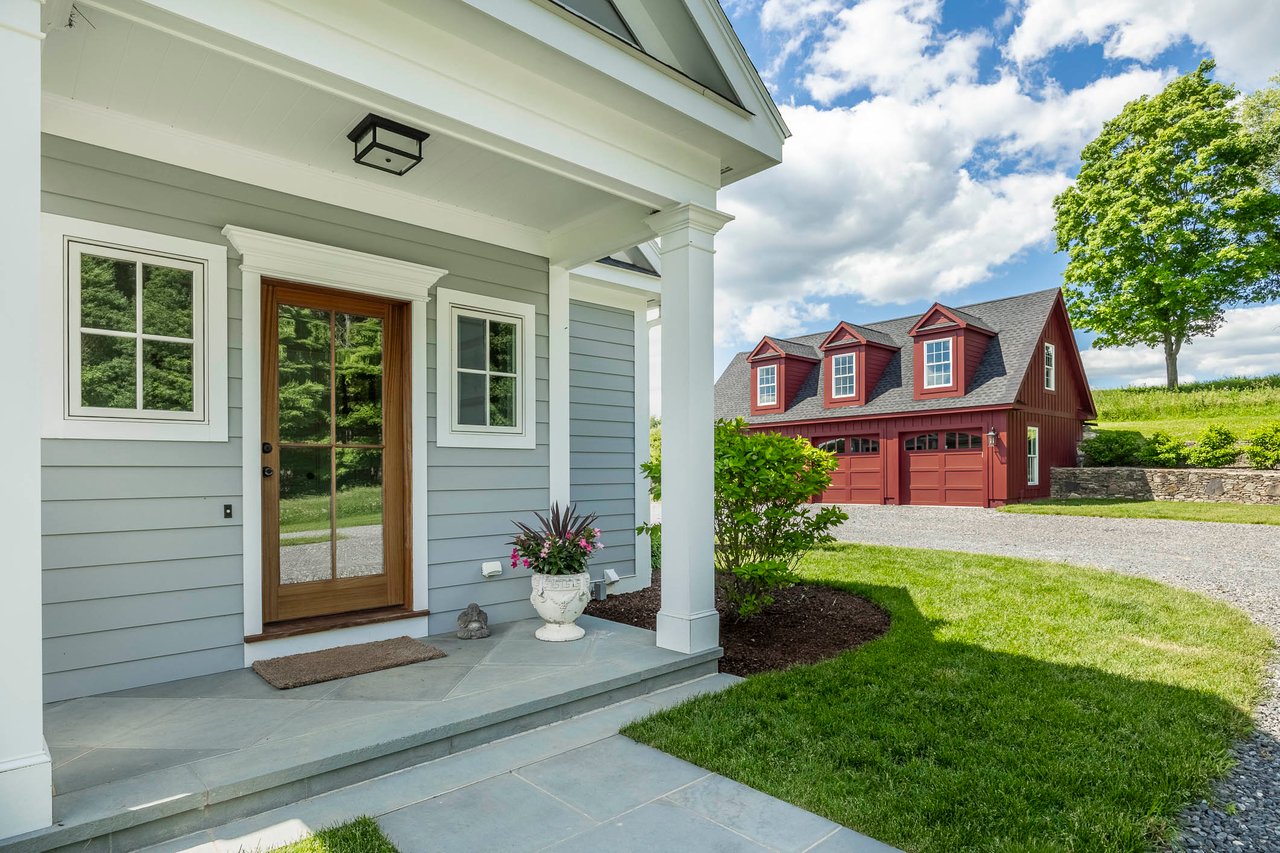
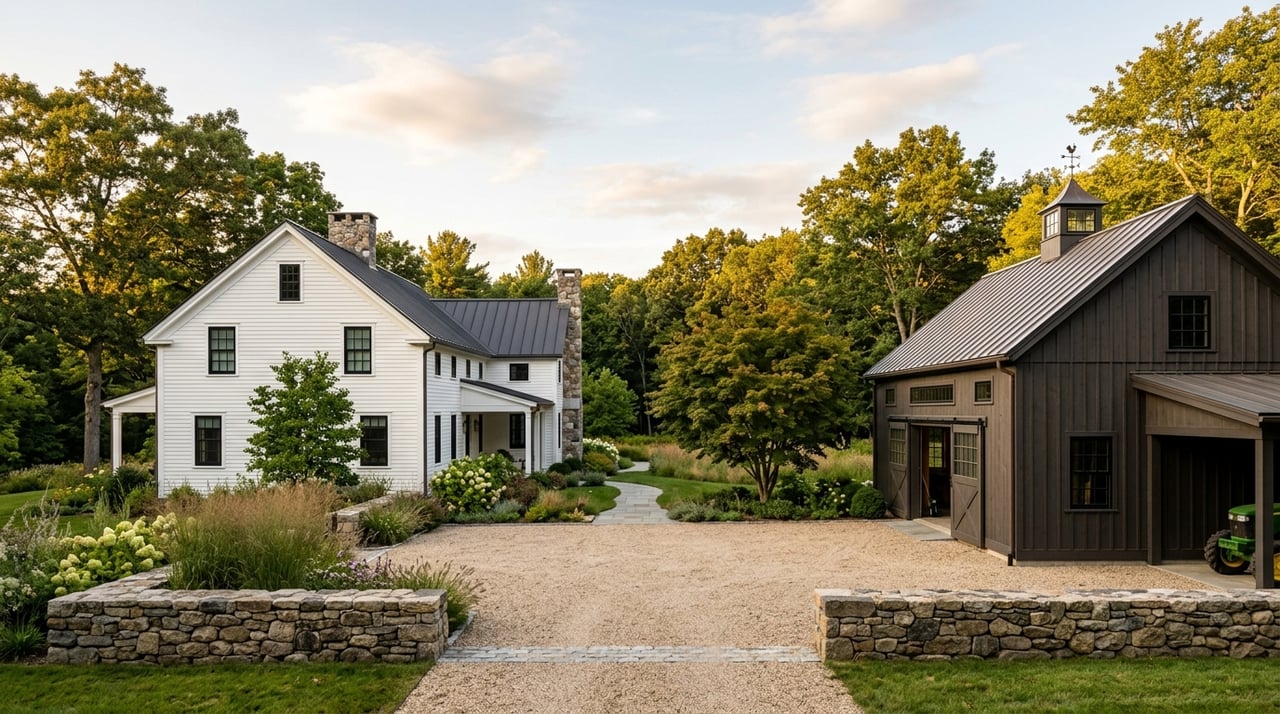
One of the first things buyers respond to is how the property unfolds as they arrive. A driveway that follows the land naturally, a house set into the tree line, and preserved fields or stone boundaries often create a much stronger impression than a home that feels dropped onto an open site.
In both Ancram and Gallatin, local zoning standards reinforce this preference. Roads and driveways are expected to follow existing topography where possible, and scenic views from public roads are treated as important local assets.
A well-sited estate usually feels calm from the first turn in. Buyers often notice whether the entrance is graceful, whether the drive works with the contours of the land, and whether the house reveals itself in a measured way.
That kind of arrival experience tends to support the rural character these towns are working to preserve. It also gives a property a more settled, lasting quality.
In Gallatin, ridgeline standards encourage structures to sit below the ridgeline, with reduced vegetation removal and limited visual impact. In Ancram, scenic corridor rules around Route 22 and the Harlem Valley call for development to remain visually inconspicuous and to preserve woodlands and hedgerows.
For buyers, the result is fairly simple. A house that is tucked into the land often feels more desirable than one that dominates the horizon.
Privacy is a major draw in both towns, but here it usually comes from the land itself. Wooded areas, distance from the road, rolling topography, and natural buffers tend to matter more than overt screening features.
Gallatin’s planning framework describes homes and farms that are tucked away from main roadways, while Ancram emphasizes open land, dark skies, clean air, and scenic views as defining qualities. Buyers who come to this part of Columbia County are often looking for that quieter kind of privacy.
Many buyers also pay attention to what surrounds a property. Land near conserved acreage or established open space can feel especially compelling because it supports the sense that the broader landscape will remain rural in character.
Columbia Land Conservancy reports nearly 30,000 acres of conserved land under easement ownership and manages ten public properties with almost 30 miles of trails. In and around Ancram, places like Overmountain and Drowned Lands Swamp add to the area’s appeal, while the 2024 expansion of Lake Taghkanic State Park added 152 acres as a buffer from nearby development within a wildlife corridor.
Scenic views are important in Ancram and Gallatin, but buyers are usually not looking for a property that achieves a view by stripping away the landscape around it. They tend to respond more favorably to homes where fields, woodlands, hedgerows, and natural contours still feel intact.
That aligns with local rules. Ancram places a high value on preserving scenic vistas, and Gallatin’s standards prioritize open space, agricultural soils, and fewer new roads and driveways in cluster development planning.
A strong estate often offers a sense of outlook without feeling overexposed. Buyers usually appreciate a long meadow view, a wooded edge, or distant hills framed by the existing landscape.
When the setting feels preserved rather than over-cleared, the property often reads as more authentic. In this market, authenticity carries real weight.
In both towns, barns, sheds, stone walls, fences, and similar features are part of the local landscape story. They are not just decorative extras. They help define the historic and working-rural character that many buyers are drawn to.
That means outbuildings can be meaningful assets when they feel useful, well maintained, and appropriately scaled to the site. A handsome barn, equipment shed, studio, or guest structure may strengthen the overall estate if it supports the land rather than competing with it.
Accessory structures tend to read best when they are visually calm and well placed. Both towns regulate issues like lighting, screened service areas, parking, visibility, and accessory buildings, which reinforces the preference for support structures that do not overwhelm the property.
Buyers often notice when an outbuilding feels like a natural extension of the estate plan. They also notice when it feels improvised or oversized for the setting.
Ancram’s zoning describes historic character through features such as mature trees, stone walls, deep setbacks, active agriculture, older road patterns, and historic houses, barns, churches, and outbuildings. Gallatin similarly points to fields, pastures, hedgerows, barns, silos, and woodlands as defining parts of its landscape.
For buyers, this often translates into a preference for estates with a strong sense of place. Properties that retain these elements can feel more grounded and more memorable.
Modern systems and renovated interiors are absolutely valued, but exterior changes usually land best when they are restrained. Traditional proportions, simple rooflines, and materials that fit the original structure often have broader appeal than highly conspicuous additions.
That does not mean buyers want outdated homes. It means they often respond best when updates improve comfort and function while preserving the property’s established character.
Even in a market driven by beauty and privacy, buyers still ask practical questions. Road access, driveway condition, water, septic, cell service, and internet availability remain part of the conversation.
Gallatin’s planning process identified roads, road maintenance, cell phone service, internet, and recreation among the town’s main improvement issues. Ancram is also defined in part by a rural pattern that does not rely on extensive municipal services, so buyers tend to understand that country living may come with tradeoffs.
A property does not need to solve every rural challenge to attract strong interest. In many cases, buyers will accept limitations if the land, privacy, and overall setting are compelling enough.
Still, the most successful estate purchases usually happen when the emotional appeal and the practical realities are both clearly understood. That balance is especially important in a landscape-driven market like this one.
The strongest estates in Ancram and Gallatin usually tell one consistent story. The house, drive, fields, woods, views, and outbuildings all feel related, and the property sits comfortably within the rural landscape around it.
In that sense, the best properties are not always the largest. They are often the ones with quiet siting, protected edges, useful supporting structures, and updates that respect the land instead of trying to overpower it.
If you are preparing to buy or sell in Ancram or Gallatin, that broader context matters. Understanding how buyers read these estates can help you evaluate value more clearly, position a property more thoughtfully, and recognize what truly sets a standout offering apart.
For tailored guidance on country estates, acreage, and distinctive rural properties across Columbia County and the surrounding region, connect with Paula Redmond.
Stay up to date on the latest real estate trends.
Get assistance in determining current property value, crafting a competitive offer, and work with a professional that can get the job done. Contact me today.
Paula Redmond
3297 Franklin Avenue Millbrook NY 12545