Eyeing a Rhinebeck farmhouse or a wooded retreat in Clinton and wondering if your mortgage will be considered jumbo? You are not alone. Many second-home buyers in Dutchess County discover that higher purchase prices push them above conforming limits. In this guide, you will learn what counts as a jumbo loan, how lenders underwrite second homes in our market, and what timelines to expect so you can plan with confidence. Let’s dive in.
Jumbo basics in Dutchess County
A jumbo mortgage is any loan amount that exceeds the conforming loan limit set each year by the Federal Housing Finance Agency for the county and property type. If your requested loan is above Dutchess County’s current limit for a one-unit property, it is considered jumbo. These limits update annually, so confirm the current year’s figure for Dutchess County before you shop.
Why it matters: jumbo loans are not purchased by Fannie Mae or Freddie Mac. Lenders either hold them in portfolio or sell them to private investors. That can affect your rate options, down payment, reserves, and documentation.
Local factors in Rhinebeck and Clinton
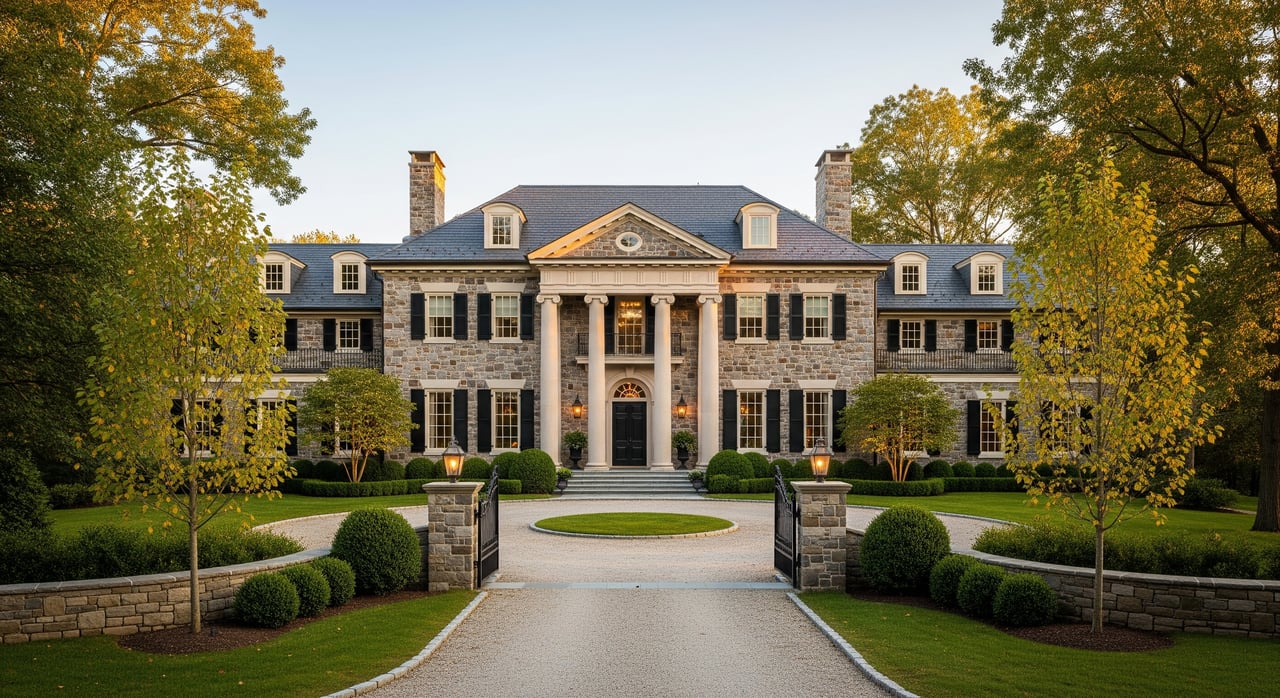
Rhinebeck and nearby Clinton attract buyers seeking historic homes, country estates, and private acreage. These properties are often unique, which can make valuation and underwriting more nuanced. Comparable sales may be limited, especially for higher-end homes, so you should plan for more appraisal due diligence.
Dutchess County property taxes, any special district assessments, and municipal records are part of normal lender and title review. If a property is near the Hudson River or in a mapped flood zone, your lender will also review flood insurance needs.
Lenders and loan types
Several lender types serve jumbo borrowers here. Each has strengths depending on your profile and property.
- National banks and large mortgage lenders. Offer standardized jumbo products, often with stricter credit overlays.
- Regional or community banks and credit unions. Often keep loans in portfolio and can be more flexible with unique properties.
- Private banks and portfolio lenders. Tailored programs for larger balances and complex income or asset profiles.
- Mortgage brokers. Shop multiple sources, helpful if your income is nontraditional.
- Non-QM lenders. Bank-statement or alternative documentation programs for self-employed buyers.
Common products:
- Fixed-rate jumbo loans for long-term payment stability.
- ARMs that can lower the initial rate but introduce future rate risk.
- Portfolio and non-QM options with flexible documentation or reserve rules.
What jumbo lenders expect
Jumbo underwriting for second homes is often more conservative than conforming loans. While every lender sets its own rules, many programs look for:
- Credit score: Best pricing often starts around 720 to 760 or higher; some programs accept 700 plus.
- Down payment: Commonly 20 to 30 percent for second homes. Investment use often requires more.
- Debt-to-income ratio: Many lenders prefer 43 to 45 percent or lower, with exceptions for strong compensating factors.
- Cash reserves: Expect 6 to 12 months of total housing payments in liquid reserves, more if you hold multiple mortgages or the property is unique.
- Income documentation: Full documentation is standard. Self-employed buyers often provide two years of tax returns; some non-QM programs accept bank statements.
- Mortgage insurance: PMI is limited and often expensive for jumbo loans, so lenders usually target higher down payments to avoid it.
- Source of funds: Clear paper trails for large deposits, gifts, and asset liquidations are required.
Documents for a smooth approval
Gather your paperwork early. A complete file speeds pre-approval and underwriting.
- Government ID and Social Security number
- Two years of personal tax returns; W-2s and recent pay stubs if employed
- Two to three months of bank statements for all accounts
- Brokerage and retirement account statements and any planned liquidation documentation
- Explanations for large deposits and any gift letters
- Proof of current primary residence for second-home classification
- HOA documents if applicable, plus recent renovation invoices for unique homes
Appraisal and valuation realities
Appraisals in Rhinebeck and Clinton can take longer when properties are historic, on larger acreage, or have few true comparables. Many lenders require a full interior and exterior appraisal for jumbo loans. Plan for 7 to 21 days from order to delivery for standard homes, and up to 3 to 4 weeks if a specialty appraiser is needed.
If an appraisal comes in below the contract price, you may need to renegotiate or bring additional cash to close. Discuss this risk with your lender and agent before you submit an offer so you can structure contingencies wisely.
Timelines and how to stay on track
A realistic jumbo timeline for a second home in Dutchess County runs 30 to 60 days from contract to closing. Here is what typically drives the schedule:
- Pre-qualification can take 1 to 7 days; a fully documented pre-approval often takes 7 to 14 days and strengthens your offer.
- Underwriting commonly runs 7 to 21 days once your file is complete.
- Appraisals, title, survey updates, flood determinations, and insurance can add time, especially in peak seasons.
Tips to move faster:
- Choose a lender experienced with jumbo second homes in the Hudson Valley.
- Provide full documentation upfront, including asset source-of-funds details.
- Order the appraisal promptly and confirm appraiser access with your agent.
- Coordinate early with your closing attorney and title company on searches and surveys.
Cash vs financing in this market
Both paths can work well in Rhinebeck and Clinton. Consider the tradeoffs:
- Cash advantages: Faster closings, no interest costs, fewer appraisal or underwriting delays, and potentially stronger negotiation power.
- Cash considerations: Ties up liquidity that could be used for investing or reserves.
- Financing advantages: Preserves cash, provides leverage, and may offer potential tax benefits. Discuss with a tax professional to understand your situation.
- Financing considerations: Interest and closing costs, possible higher jumbo rates, and larger reserve requirements.
If you plan any rental use, confirm occupancy classification with your lender early. Occasional rental can shift a loan from second-home to investment, which changes rates, down payment, and underwriting.
Your next steps
- Check Dutchess County’s current conforming loan limit and estimate whether your target price and down payment will require a jumbo loan.
- Decide whether a fixed-rate jumbo or an ARM better fits your timeline for owning the home.
- Line up full documentation and aim for a complete pre-approval before touring higher-end properties.
- Budget for appraisal, title, survey, and insurance, and plan for extra time if the home is historic, unique, or near flood zones.
- Work with a local real estate expert who understands how to position financed offers in a competitive second-home market.
When you are ready to explore second homes in Rhinebeck, Clinton, or greater Dutchess County, partner with a trusted local advisor who blends regional knowledge with national reach. For discreet guidance on inventory, offer strategy, and a smooth path to closing, connect with Paula Redmond.
FAQs
How do I know if I need a jumbo loan in Dutchess County?
- Compare your expected loan amount with the current FHFA conforming loan limit for Dutchess County; if your loan exceeds that figure for a one-unit property, it is jumbo.
What down payment and credit score do I need for a jumbo second-home loan?
- Many lenders look for 20 to 30 percent down and strong credit, often 720 to 760 for best pricing, though some programs accept 700 plus.
How long does a jumbo second-home loan take to close in Rhinebeck?
- Plan on 30 to 60 days from contract to closing, driven by appraisal timing, underwriting, title and survey work, and insurance.
Can I finance a Rhinebeck second home if I plan to rent it occasionally?
- Yes, but even occasional rental can change the loan to investment status, which typically requires a larger down payment and different pricing; confirm with your lender early.
Are jumbo mortgage rates always higher than conforming rates?
- Not always; jumbo rates vary by lender, investor demand, and your profile, and can be comparable to conforming in some markets and periods.
What extra costs should I expect with a jumbo loan in Dutchess County?
- Expect standard closing costs plus appraisal, potential survey updates, title insurance, and possibly flood insurance; lenders may also require larger cash reserves.